 *Human Written Content
Heavy rainfall can do more than flood streets or leak through roofs. In some cases, it can cause the ground itself to move. When soils become saturated and lose stability, slopes may fail, sending soil, rock, and debris downhill in what is known as a landslide.
For property owners in hillside areas or anywhere with significant drainage or grading, landslides are a serious concern. They can damage structures, disrupt drainage systems, and create long-term stability issues if the underlying cause is not addressed.
Understanding how landslides occur, the conditions that trigger them, and what to do if one affects your property can help reduce risk and guide effective recovery.
What Is a Landslide?
A landslide is a type of ground failure caused by slope instability, where soil, rock, or debris moves downslope due to gravity. Landslides can occur suddenly during storms or develop gradually as soils weaken over time.
Landslides come in several forms depending on how material moves:
- Debris flows or mudflows – mixtures of soil, water, and debris that move rapidly downhill
- Soil slumps – sections of ground that rotate or drop along a curved failure surface
- Earth flows – slower movement of saturated soil
- Slope failures – collapse of soil or rock along a weakened plane
These events are often triggered by changes in water conditions within the soil. As water fills the spaces between soil particles, groundwater pressure increases and the friction that normally holds the slope in place decreases. When the resisting strength of the soil becomes lower than the pressures acting on it, the slope can fail.
Conditions That Cause Landslides
Landslides result from one or more factors that gradually weaken soil stability.
Heavy or Prolonged Rainfall
Rain is the most common cause of landslides. When soil becomes saturated:
- Groundwater pressure increases
- Soil strength decreases
- Slopes become less stable
This combination can cause soil layers to slide or collapse, especially on steep terrain. Intense storms can also produce large volumes of runoff from surrounding hillsides. In one investigated case, heavy rainfall overwhelmed natural drainage paths and carried thousands of cubic feet of mud and debris onto a residential property.
Poor Drainage
Blocked or poorly designed drainage systems can allow water to accumulate in soils. Culverts, drainage basins, and stormwater systems that become clogged with debris can concentrate water in areas not designed for prolonged saturation. Over time, this added moisture can weaken slopes and increase the likelihood of ground movement.
Wildfire Damage
In wildfire-prone regions like California, landslide risk often increases after fires. Wildfires destroy vegetation that stabilizes slopes, damage underground utilities, and leave soils more vulnerable to erosion. Rainfall on burned hillsides frequently produces mudflows and debris flows that move rapidly downhill.
Changes to Hillsides
Human activity can also contribute to landslides. Examples include:
- Poorly compacted fill soil
- Improper fill material and grading
- Construction debris on slopes
- Construction activity and vibrations
- Altered drainage patterns
Ruptured water lines releasing water underground Loose materials on slopes can easily be mobilized during heavy rain.
Seismic Activity
Earthquakes can weaken slopes or trigger landslides directly by shaking loose soil layers. Earthquakes can also cause land movement in flat areas in the form of lateral spread or liquefaction.
Why Landslides Matter for Buildings and Property
Landslides can affect far more than the ground. Because buildings, infrastructure, and utilities depend on stable soil, its movement can cause widespread damage.
Damage to Buildings
When soil beneath or around a building moves, foundations can shift or settle unevenly. This may result in:
- Cracking in foundations and walls
- Sloping floors
- Misaligned structural frames
- Misaligned door and window frames
- Separation of building components
Damage to Site Improvements
Landslides frequently damage nonbuilding structures and site improvements such as:
- Retaining walls and fences
- Driveways and walkways
- Landscaping
Investigations following ground failures often find erosion, sinkholes, and undermined structural elements that increase vulnerability to future storms.
Damage to Utilities
Ground movement can disrupt buried infrastructure including:
- Stormwater drainage systems
- Water supply lines
- Sewer or septic systems
- Irrigation systems
Once these systems are compromised, additional soil movement can occur, and flooding and erosion can worsen during future storms.
Warning Signs of a Landslide
Some landslides occur suddenly, while others develop gradually and show early warning signs.
Common warning signs include:
- New cracks forming in soil, pavement, or retaining walls
- Leaning fences, trees, or walls
- Slumping or bulging ground surfaces
- Areas of unusual erosion
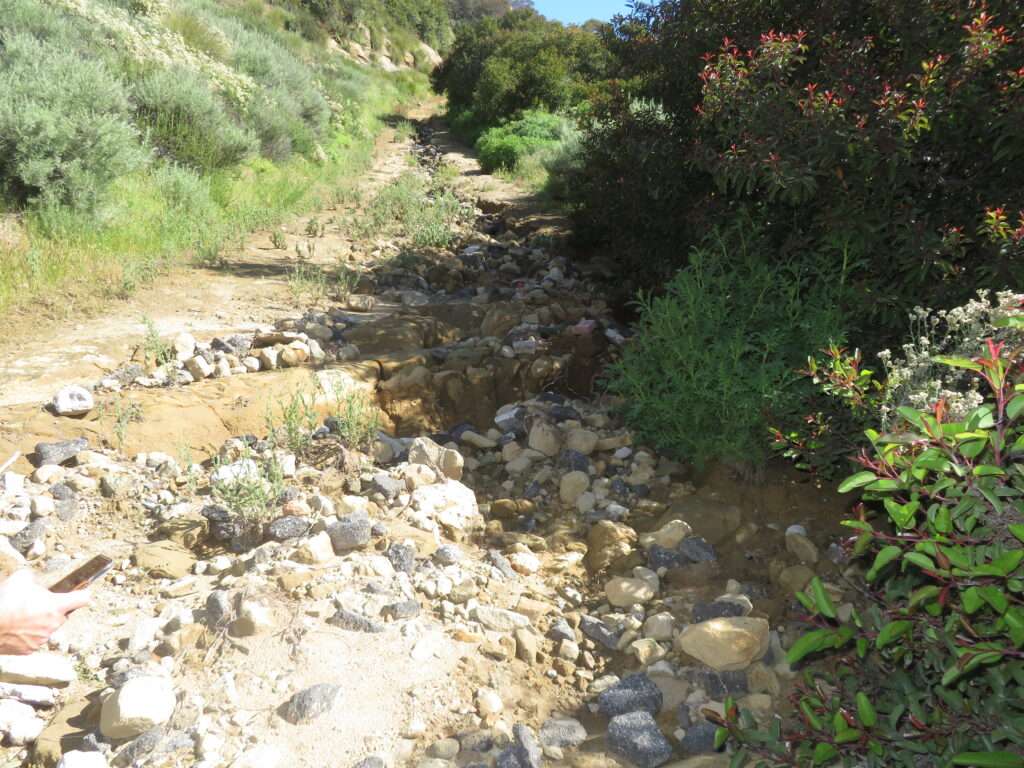
- Mud or debris deposits after storms
- Sudden changes in drainage patterns
- Sinkholes or ground depressions
These signs may indicate that soils are shifting or that water is running and accumulating beneath the surface.
Understanding the Ground Beneath Your Property
Rainstorms and other sources of water can place significant stress on both buildings and the soils that support them. As slopes become saturated, changes in groundwater pressure can quickly alter the stability of the ground, sometimes resulting in landslides that affect structures, drainage systems, and surrounding infrastructure.
Recognizing the warning signs and understanding how these events occur can help property owners respond quickly and make informed decisions about repairs and site stability. Investigating conditions early often makes it easier to identify the root cause of ground and structure movement and reduce the risk of further damage.
Following a landslide, a forensic engineer can help property owners understand what caused the ground movement and how it affected structures, drainage systems, and surrounding site conditions. Through field observations, measurements, and engineering analysis, forensic engineers document the extent of damage and identify factors that contributed to the failure. This process helps guide repair planning and can provide valuable documentation for insurance, legal, or property management needs.
*This article was written by a human and reviewed by a Walker Consultants expert