
Like many natural disasters, earthquakes can be violently destructive, leaving buildings, infrastructure, and land vulnerable to intense damage. However, understanding how earthquakes actually affect the ground and buildings they hit, knowing what to look for, and how to retrofit them, can create a much safer and more resilient built environment.
Why earthquakes affect buildings differently
There are multiple factors that can contribute to the collapse or damage of a building or structure. Often, damage depends on the materials used, the type of earthquake wave, and the ground on which the infrastructure is laid.
The South Carolina Earthquake & Education Preparedness Program details that “Wood structures respond to earthquakes differently than brick or masonry structures, because wood can bend, and masonry tends to shatter.”1 Similarly, a structure reinforced with steel is likely to fare better than unreinforced structures during an earthquake.
Because seismic activity moves the ground in a multitude of ways, buildings in earthquake-prone areas are designed to withstand vertical and horizontal seismic forces. Sudden side-to-side movements place an extreme amount of stress on the structure, including beams, columns, walls, floors, and connectors that hold these elements together. If these forces become too powerful and your infrastructure is ill-equipped to withstand the impact, it can cause the building to collapse or endure severe damage.2
Furthermore, the impact your building sustains during an earthquake is also dependent on the ground that it was built on. Structures built on bedrock, which provides a firm base, are more likely to withstand these forces. However, those built on soft or filled-in soil are more likely to fail. For instance, when loosely packed, waterlogged soils behave like liquids, a process known as liquefaction, the ground can sink or slide, taking the building with it.3
Earthquakes and how they’re monitored
The U.S. Geological Survey (USGS) serves as a primary source for information on natural hazards and monitors earthquakes and their effects on the built environment. According to the USGS, more than 250 structures throughout the United States are equipped with seismic sensors to help specialists understand earthquakes and how buildings respond to them.4 These sensors provide data that engineers can use to assess the structure’s safety and functionality following an earthquake while grasping how structural and non-structural components perform during these events.
This information can also help engineers evaluate earthquake-resistant design techniques, predict how structures may perform during future seismic events, and improve future designs.5
What does earthquake preparedness look like for buildings?
Preparing for an earthquake is more than strapping down heavy furniture. It’s about strengthening the building’s integrity and having a Forensics and Restoration (FR) expert who understands seismic codes, how the building is expected to perform, and how to identify vulnerabilities.
New construction must meet seismic requirements established by the building code adopted by the local jurisdiction. For many commercial and multifamily buildings, those requirements come from the International Building Code (IBC), while certain residential construction falls under the International Residential Code (IRC).
Over time, however, codes change, and an older building may have been designed under the requirements in place when it was constructed. It doesn’t mean the building is unsafe or violating code; it just means expected seismic performance may differ from a building designed under today’s regulations. In cases of seismic work, the International Existing Building Code (IEBC) recognizes that the existing building was built under different codes, thus providing requirements for how engineers evaluate and strengthen the existing structure.
An FRBE consultant can help perform seismic evaluations and retrofits, assess existing deterioration, the structural system, connectors, facade/enclosures, nonstructural components, potential seismic vulnerabilities, and document previous repairs/alterations made.
The City of Redondo Beach Harbor
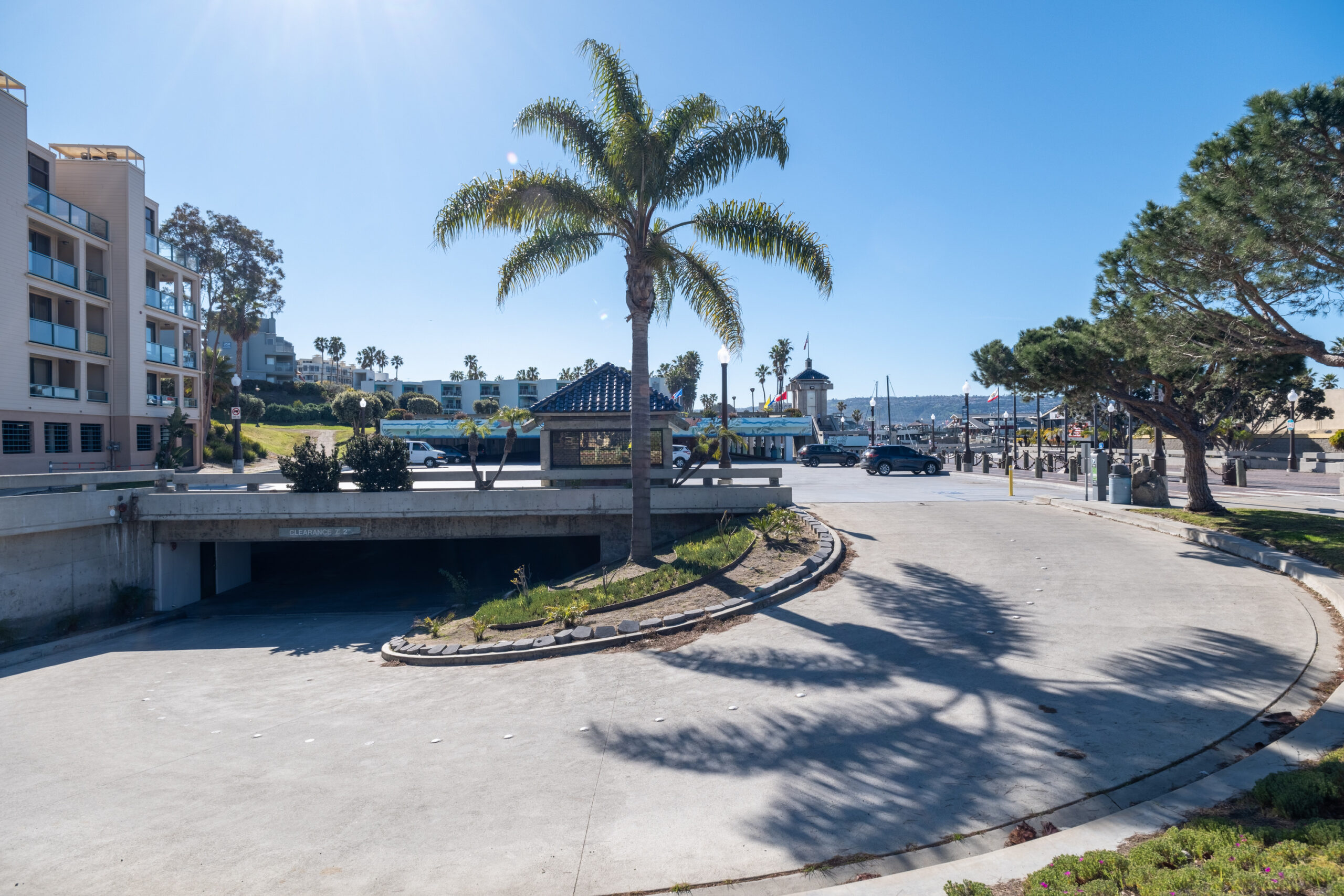
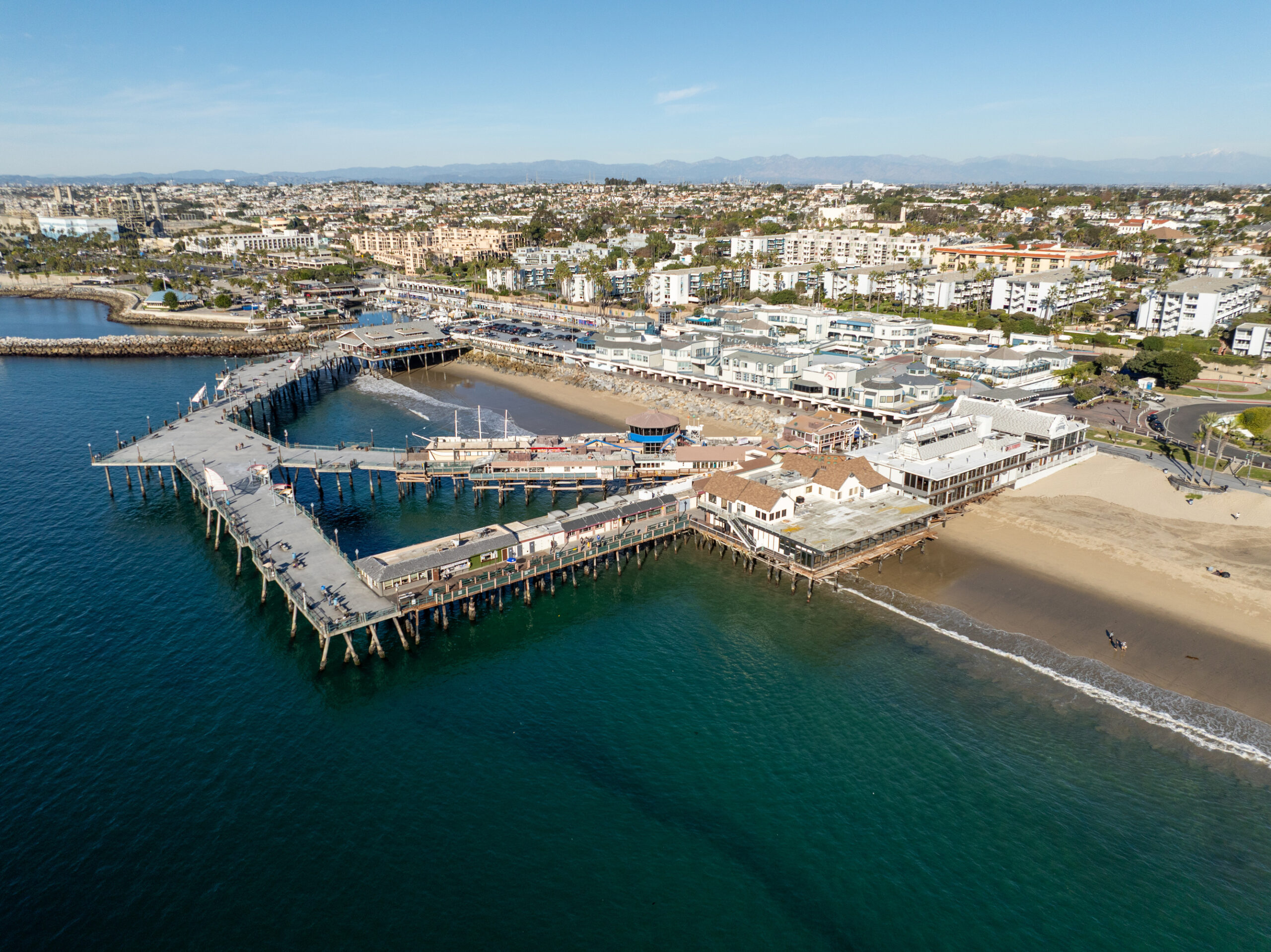
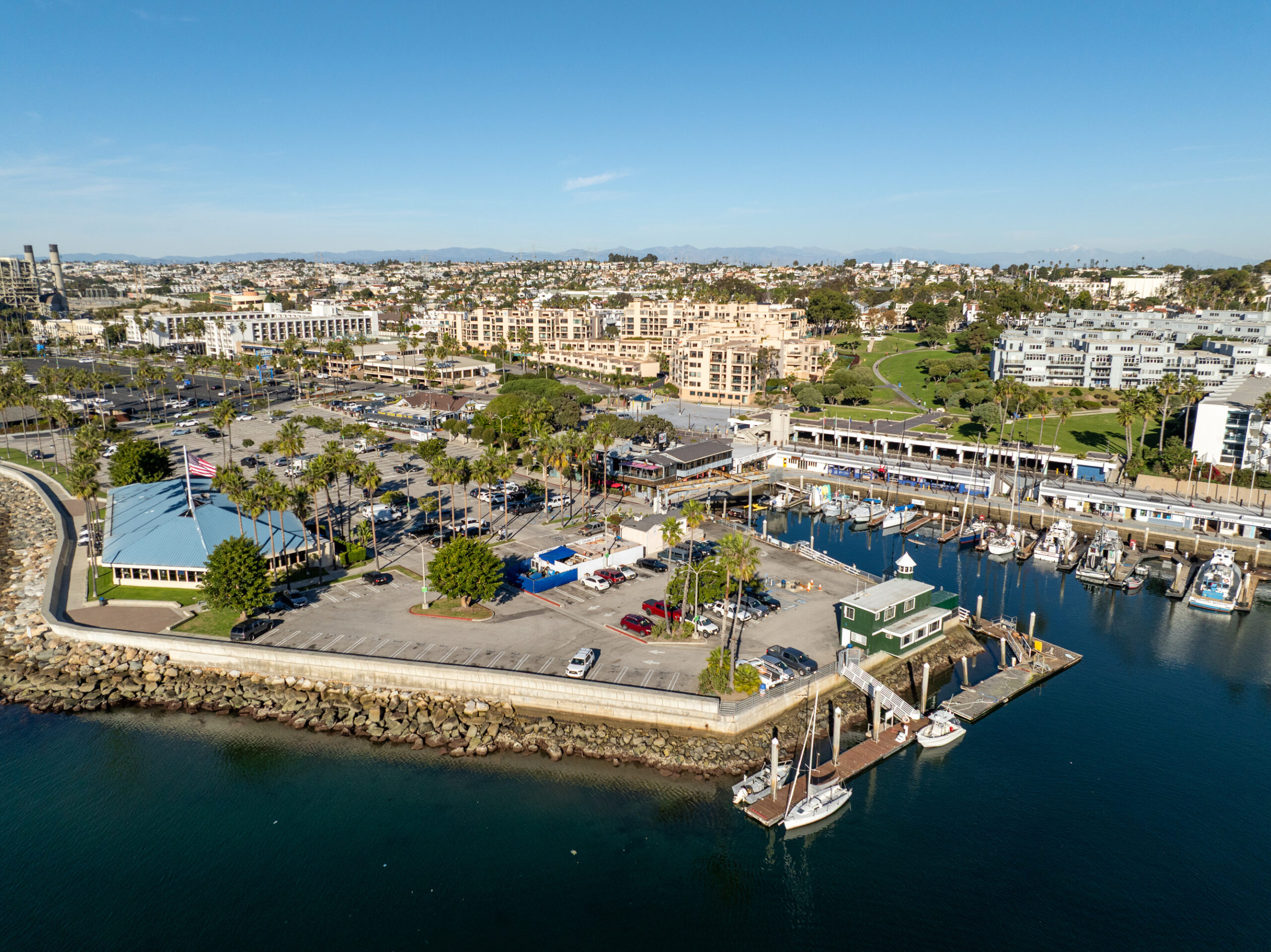
For example, Redondo Beach, California, is no stranger to seismic activity. Since 2012, Walker Consultants has been providing maintenance programs for the City of Redondo Beach to assist with planning and budgeting and providing repair designs for the City’s parking structures.
Walker performed visual and non-destructive evaluations to assess the overall condition of three of the City’s Oceanfront Parking Structures, built in the 1960s and 1970s. Those being the South Pier, North Pier, and Plaza parking structures.
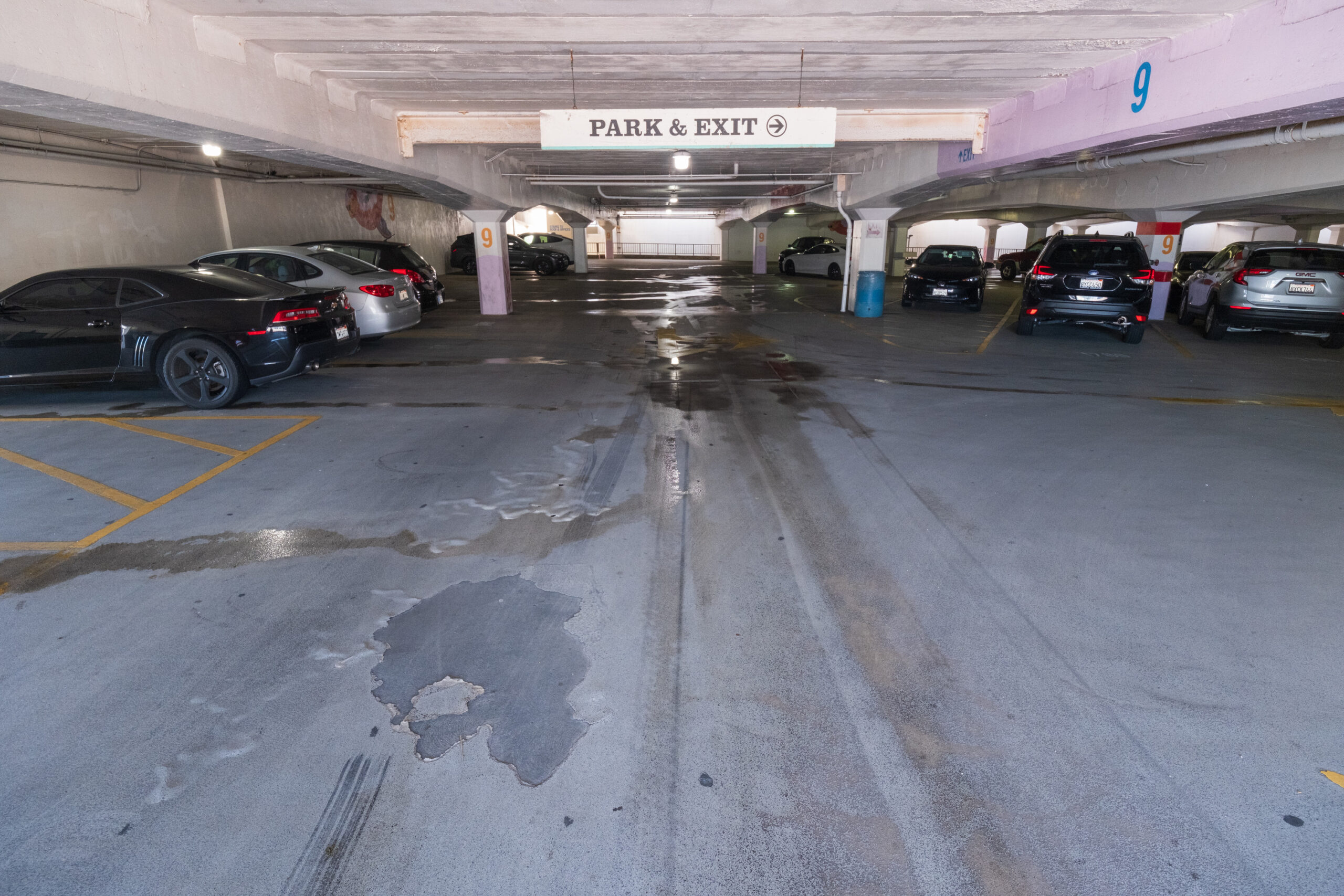

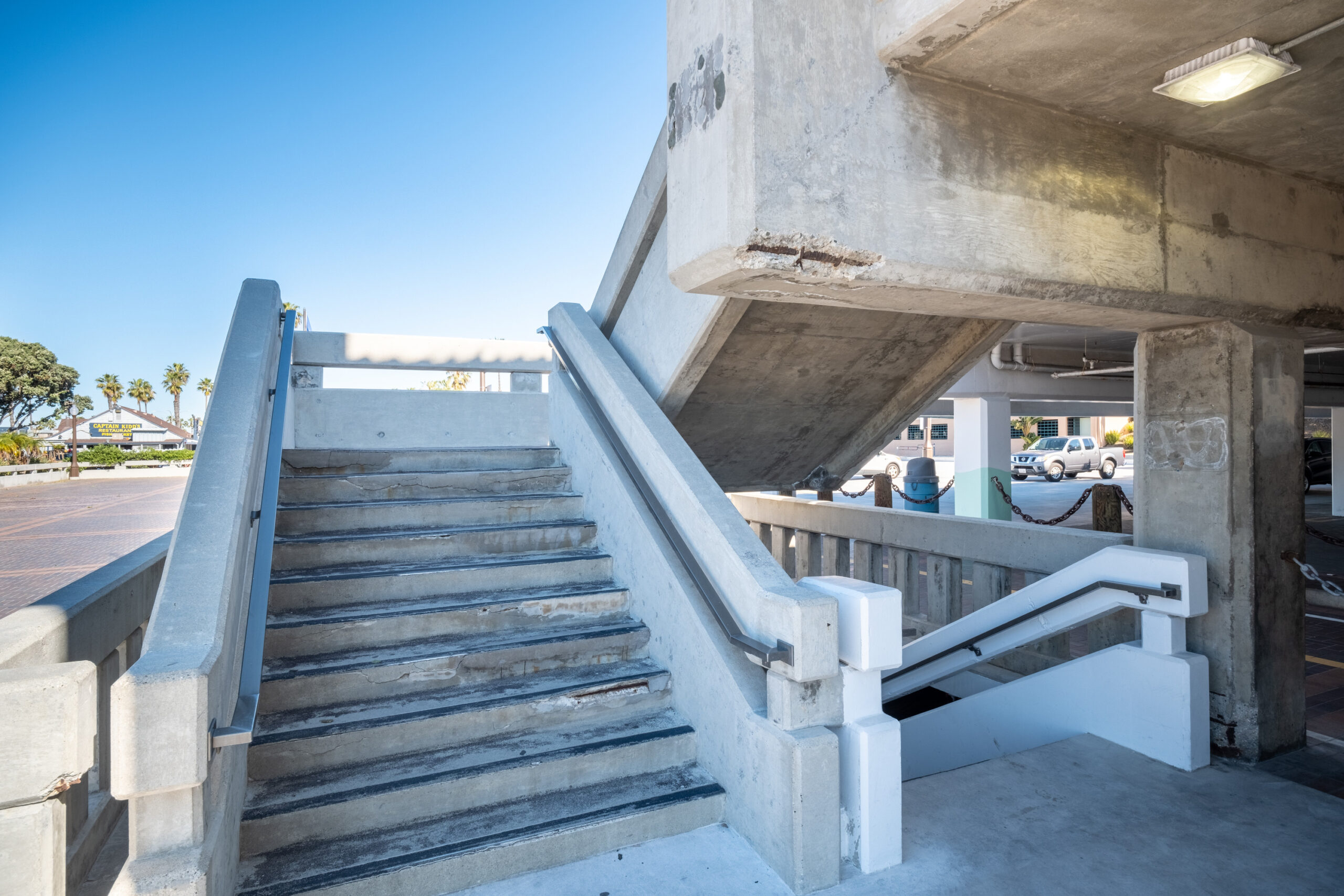
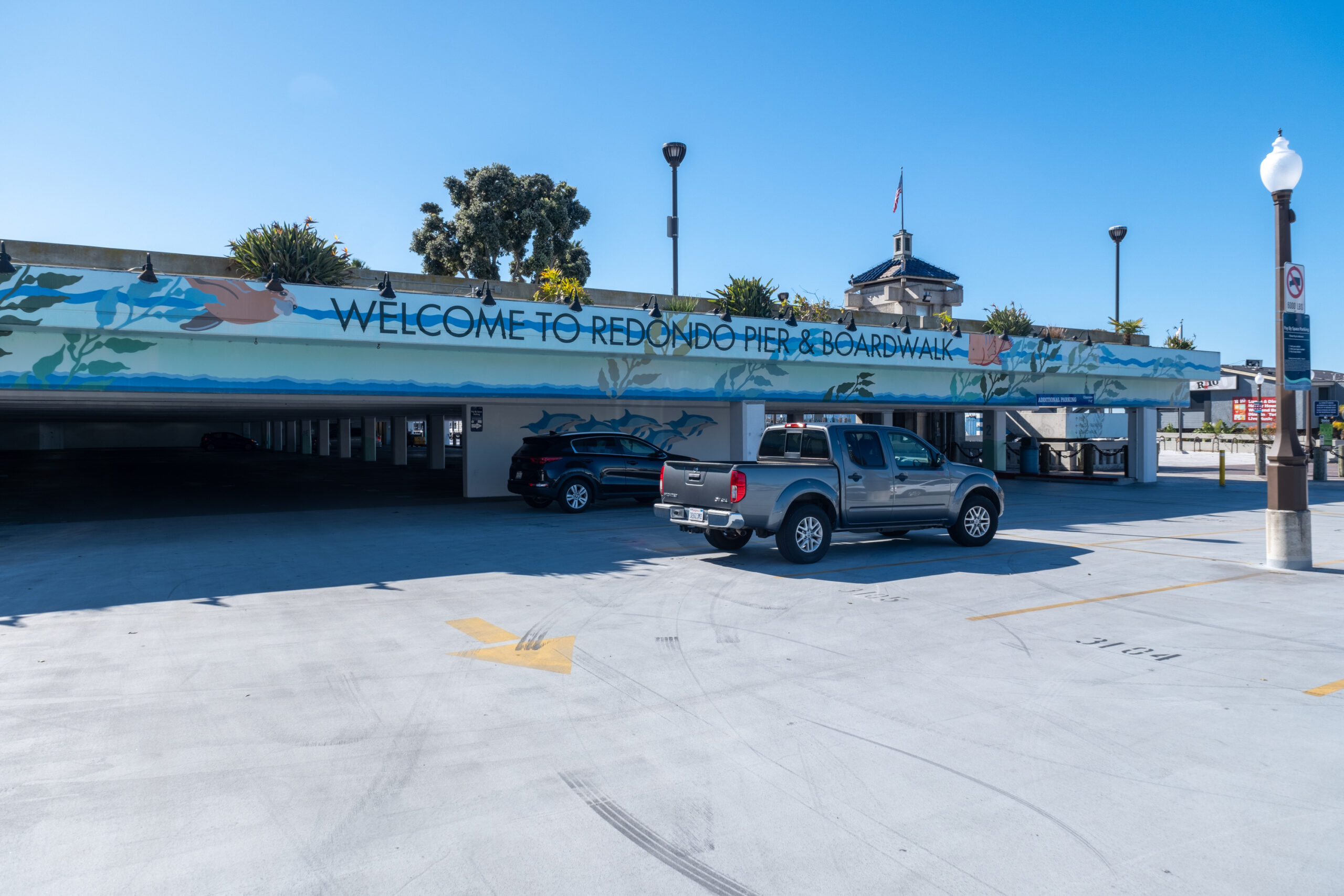
Forensics specialists directed destructive evaluation to determine the extent of damage to the concrete of the two- and three-level structures, verifying the “as-built conditions” and piled foundations. Specialists discovered deterioration and delamination of the structures’ concrete beams, columns, and floors. They examined the exposed, rusted slab and mild steel reinforcement at several locations. Experts identified soffit slab deterioration and spalls with exposed and corroded reinforcement. Additionally, these evaluations and assessments revealed waterproofing system deficiencies throughout the structures, including seismic deficiencies in the North Pier parking structure.
After completing Tier 1 and Tier 2 seismic evaluations, Walker provided a Condition Appraisal and a 10-year Asset Management Plan Program to help the client make cost-effective repair decisions.
Beyond seismic evaluations: How Forensics, Restoration, and Building Envelope (FRBE) experts can help
An FRBE consultant can also document the current conditions of a building so that they can be monitored and compared to post-earthquake distress to assist in identifying the damage caused by the earthquake. The same data can also be used to monitor and compare damage resulting from a construction activity at or near the site.
From earthquake damage to recovery
Following an earthquake, buildings may experience structural weakening, damage to architectural, mechanical, electrical, plumbing (MEP), and vertical transportation (VT) systems, or reduced functionality. Structures that sustain significant damage may also become more vulnerable to aftershocks, increasing the risk of further deterioration or collapse.
In such situations, forensic engineers and architects inspect the building to evaluate its structural condition, assess earthquake-related damage, and provide safety recommendations to support property owners in disaster recovery. With their findings, damage documentation, and failure analyses, forensic teams can identify the underlying causes of the damage.
Depending on the building’s conditions, forensics and restoration teams may also review construction documents, plans, and permits to develop repair or retrofit plans that restore structural integrity and improve resistance to future seismic activity.
2016 Cushing Earthquake
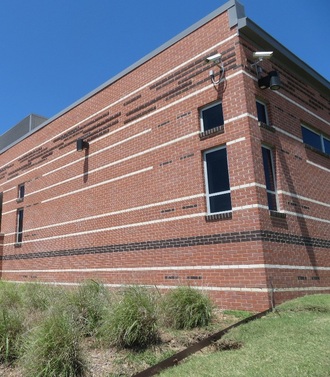
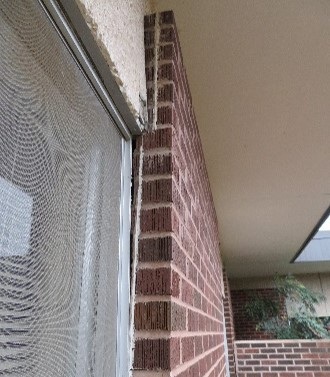
In 2016, the Cushing Public School District sustained significant building damage following the magnitude 5.0 2016 Cushing earthquake. The district’s nine campuses, constructed between 1995 and 2015, consisted of one- and two-story buildings with unreinforced or lightly reinforced masonry walls, steel columns, and steel or precast concrete roof framing.
Walker supported the district’s post-earthquake recovery and repair efforts through a forensic investigation. Forensic specialists analyzed seismic data collected from earthquake recording stations and conducted visual inspections using non-destructive evaluation tools to assess the extent of damage across the buildings.
Earthquake readiness begins with understanding your building
You can’t control an earthquake when it hits, but you can make sure you understand your building before one does. Identifying structural vulnerabilities and understanding how your building may perform during a seismic event can help determine whether repairs, strengthening, or other measures should be considered before they are put to the test.
If an earthquake does occur, that knowledge becomes vital in determining what changed, what damage may have existed before, and what needs the most attention.
With the support of Walker’s Forensics and Restoration team, building owners can use those findings to make informed decisions about repairs, restoration, or retrofits and determine what the building needs moving forward.
For more information about Walker’s Forensics and Restoration services, visit walkerconsultants.com.


