 Human Written Content
Construction can change a neighborhood. Sometimes, it can also change the building next door.
Construction in urban areas generally brings temporary disturbances to the adjacent properties. Once the work is completed, the disruption typically ends. In some cases, however, the impact reaches beyond the site itself, leaving neighboring property owners with damage they did not have before and questions about what caused it.
Construction in urban areas generally brings temporary disturbances to the adjacent properties. Once the work is completed, the disruption typically ends. In some cases, however, the impact reaches beyond the site itself, leaving neighboring property owners with damage they did not have before and questions about what caused it.
When damage appears alongside nearby construction, determining what actually happened is not always straightforward. An adjacent construction forensic investigation examines the conditions at the affected property alongside the work occurring next door to determine whether there is a connection, identify what may have caused the damage, and provide the information needed to determine what comes next.
What Is Adjacent Construction Damage?
Adjacent construction damage is damage to an existing building, structure, or other built environment associated with construction occurring on a nearby property.
The potential impact of adjacent construction depends on more than proximity. Excavation, demolition, pile installation, drilling, compaction, dewatering, and heavy equipment can introduce vibration or change the soil and groundwater conditions surrounding existing foundations. The construction methods being used, depth of excavation, site/soil conditions, groundwater, proposed foundation systems, and age and condition of neighboring structures can all influence how an existing structure responds.
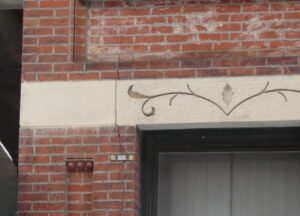
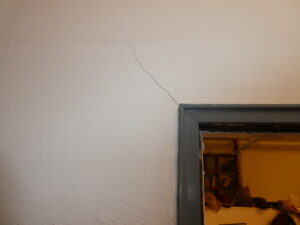
Potential signs can include new or growing cracks, settlement, tilting, uneven floors, separation between building components, water intrusion, or doors and windows that are out of plumb or no longer operate as they did before.
Noticing these changes is the first step. Determining whether they resulted from the neighboring construction requires investigation.
Establishing What Changed
An adjacent construction investigation begins by establishing the condition of the property and developing a timeline around the reported damage.
A preconstruction condition survey can be particularly valuable. Performed before potentially impactful work begins, the survey documents existing conditions through photographs, measurements, and written observations. If concerns arise later, investigators can compare current conditions with that baseline to determine what is new, what was already present, and what may have changed.
When a preconstruction survey is not available, other records can help fill in the timeline. Photographs, construction drawings, geotechnical reports, excavation and shoring plans, construction schedules, daily reports, surveys, repair records, historic aerial and street views, and correspondence may all provide useful context.
Investigators also document current conditions in the field, looking at the location, pattern, severity, and extent of the reported distress. Depending on the conditions, that work may include measurements, surveys, nondestructive testing, or other investigative techniques. At a six-story building located at the Tribeca district of New York City, Walker Consultants performed both a pre- and post-construction condition survey of the building; took detailed photographs and notes; reviewed construction drawings including the foundation and support of excavation drawings; analyzed the monitoring reports that consisted of vibration, optical survey and crack gage monitoring; and determine the cause of distress and develop a scope of repairs addressing the distress observed.
Understanding What Happened During Construction
The next piece of the investigation is understanding what was occurring next door.
Investigators may review the construction methods and sequencing, excavation and shoring systems, foundation work, dewatering, construction equipment, and other activities that could potentially affect the neighboring structure. The goal is to compare the construction activity with the timing and location of the observed changes.
Monitoring data can provide important evidence. Depending on the project, instrumentation may have been used to track vibration, settlement, lateral movement, crack movement, or other changes during construction.
Vibration is often one of the first concerns when damage appears near an active construction site. Monitoring equipment can measure vibration magnitude, frequency, duration, and timing, allowing investigators to compare recorded events with construction activity and applicable criteria. But vibration is only one potential mechanism. Excavation can affect the support provided to nearby foundations. Dewatering can alter groundwater conditions and contribute to soil movement or consolidation. Shoring, underpinning and soil improvement techniques can also influence how surrounding structures behave.
The investigation considers the construction activity and available monitoring data together to identify which mechanisms are consistent with the conditions observed at the property. At the Tribeca building in New York City, the monitoring program was robust and played a significant role in determining when the damage occurred and what caused it.
Connecting the Damage to the Construction
When a building begins to move during nearby construction, understanding why requires looking beyond the visible damage. Investigators consider whether the type, location, and timing of the distress are consistent with the construction activities and conditions occurring next door.
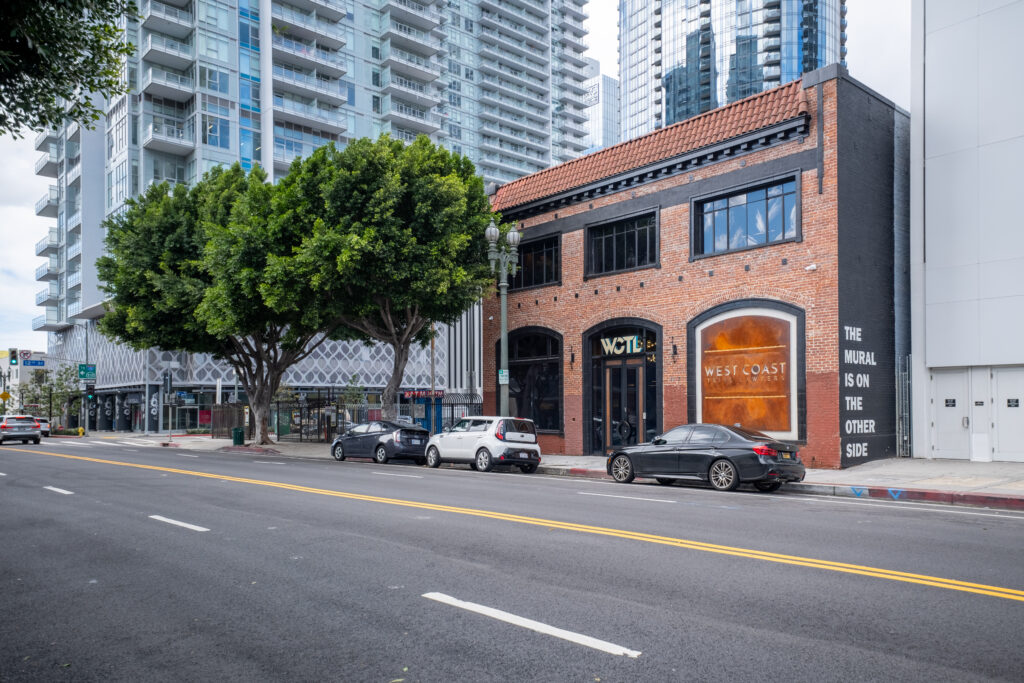
At 1147 South Hope Street in Los Angeles, a two-story unreinforced masonry building constructed in 1919 began showing distress after excavation started next door for a 30-story reinforced concrete building with subterranean parking. The observed conditions included tilting and cracking of exterior walls and settlement of the slab-on-grade.
Walker performed visual and nondestructive evaluations to determine the extent of the damage and analyzed construction monitoring data to investigate the settlement. The investigation concluded that adequate support had not been provided for the existing building’s wall foundations prior to and during excavation, resulting in foundation settlement and the observed building distress.
The investigation provided more than documentation of the cracks and movement. It identified the mechanism behind the distress and established how the neighboring construction contributed to it.
What Does an Adjacent Construction Investigation Provide?
Understanding what happened is ultimately valuable because it gives property owners a technical basis for deciding what to do next. Once the extent and cause of the damage are better understood, the findings can help guide decisions about repairs, continued monitoring, stabilization, and how to address the impacts of the neighboring construction.
Depending on the circumstances, the findings may support repair design, additional monitoring or stabilization, insurance claims, discussions between neighboring property owners, construction disputes, or litigation.
At 1147 South Hope Street, Walker’s involvement continued beyond determining the cause of the distress. The team provided consulting during repair design and construction, as well as litigation support, and the investigation supported the client’s resolution of an insurance claim related to the adjacent construction damage.
When changes to a property appear alongside nearby construction, timing alone cannot explain what happened. An adjacent construction forensic investigation brings the condition of the building, the construction activity, and the available records and monitoring data together to establish what changed, why it changed, and what should happen next.
This article was written by a human and reviewed by a Walker Consultants expert.