 *Human Written Content
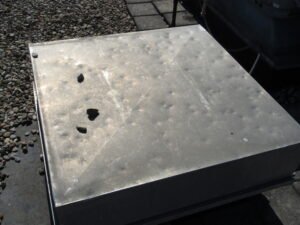
Texas is no stranger to severe hailstorms. From Austin and Central Texas to Dallas–Fort Worth, Houston, and surrounding communities across the state, hail events can produce millions of dollars in property damage within minutes. While obvious damage such as broken windows or punctured roofing can be easy to identify, many of the most expensive problems begin with damage that is difficult, or impossible, to see from the ground. A professional assessment by professional engineers and/or IIBEC certified roofing professionals can identify damage which may be needed to support or deny insurance claims.
Why Central Texas Buildings Are Especially Vulnerable
- Low-slope membrane roofs
- Modified bitumen roofing
- Built-up roofing systems
- Metal roof panels and standing seam roofs
- Asphalt shingles
- Roof-mounted mechanical equipment
- Metal wall panels
- EIFS and stucco systems
- Fiber cement siding
- Exterior insulation systems
- Window frames and glazing
- Sealants and waterproofing joints
- Gutters and downspouts
- Canopies
- Edge Metal
Not Every Dent Means Replacement is Necessary
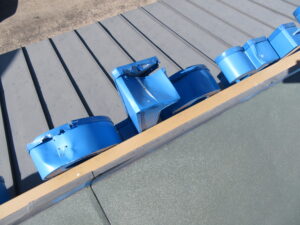
One of the biggest misconceptions after a hailstorm is that every dent or impact requires replacement. Conversely, another common mistake is assuming that because a roof “looks fine,” it suffered no damage. The reality lies somewhere in between. A proper evaluation distinguishes between cosmetic and functional damage, considers whether damage may shorten the service life of the roofing or façade system, and separates hail event related conditions from pre-existing conditions. This distinction is critical when making repair decisions or presenting an insurance claim.Hidden Damage Can Cost Thousands Later
- Fractured membrane reinforcement
- Cracked protective coatings
- Bruised insulation beneath roof membranes
- Displaced flashing
- Damaged sealants around penetrations
- Coating fractures on metal roofing
- Displaced reflective granules on asphaltic shingles and membranes
- Microcracking in stucco or EIFS
- Water intrusion pathways that develop months after the storm
Why Assessment by Qualified Professionals Matter
Roofing contractors play an important role in repairing damaged roofs, but an independent engineering/roof consultant assessment provides an objective evaluation focused on the building’s performance rather than simply recommending replacement. A professional engineer or building envelope consultant can evaluate whether hail caused functional damage, determine the extent of damage across the property, and assess the remaining service life of affected roofing components. The evaluation can also help distinguish storm-related damage from age-related deterioration, inform repair-versus-replacement decisions, and provide documentation suitable for insurance claims or litigation. Our reports provide detailed photographs, measurements, damage mapping, and technical opinions supported by accepted engineering principles.Don’t Forget the Building Facades
Many property owners focus exclusively on the roof after a hailstorm. However, building facades often experience significant damage that goes unnoticed. Hail impacts can damage:- Stucco finishes
- EIFS systems
- Metal panels
- Architectural coatings
- Masonry sealants
- Window glazing
- Curtain wall systems
- Exterior flashing and trim
Timing Matters 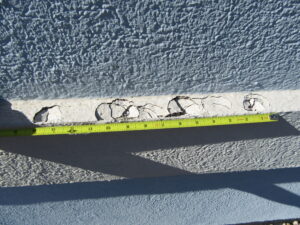
Insurance policies often include deadlines for reporting storm damage. Waiting too long may make it difficult to distinguish hail damage from normal aging or subsequent weather events.
Early documentation can provide better evidence of storm-related damage, support more accurate repair recommendations and insurance claim evaluations, and establish a baseline for future monitoring if immediate repairs are not necessary.
Even if no repairs are ultimately required, knowing the condition of your building provides valuable peace of mind.
Our Hail Damage Assessment Services
Our engineers provide independent evaluations of commercial, institutional, multifamily, and industrial properties throughout Central Texas. Our services include:- Commercial roof evaluations
- Building envelope inspections
- Hail damage mapping
- Drone-assisted roof documentation
- Moisture intrusion investigations
- Repair versus replacement recommendations
- Insurance claim support
- Expert witness and litigation consulting
- Peer review of contractor recommendations
Schedule a Hail Damage Assessment
If your property has recently experienced a hailstorm, or if you’re unsure whether previous storms caused hidden damage, now is the time to have it evaluated. A timely assessment by a qualified expert can help protect your building, support insurance claims when appropriate, and prevent minor storm damage from becoming a major repair project.Contact us today to schedule a professional hail damage assessment for your commercial property.
*This article was written by a human and reviewed by a Walker Consultants expert